
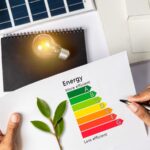
In today’s world, energy efficiency is more important than ever. Making your home more energy-efficient not only helps reduce your carbon footprint but also saves you money on utility bills and increases the overall comfort of your living space.
By implementing a few key strategies, you can make a significant difference in your home’s energy consumption. This can help save money on utilities or even help your home sell faster when it’s time to list it. In this blog, we will explore various ways to enhance your home’s energy efficiency, starting with the crucial step of improving insulation.
Conduct an energy audit
Before you begin making changes, it’s essential to understand where your home is losing energy. An energy audit provides a detailed analysis of your home’s energy use and identifies areas for improvement.
You can conduct a basic audit yourself by checking for drafts, inspecting insulation, and reviewing past energy bills for patterns. However, for a comprehensive evaluation, consider hiring a professional energy auditor. They use specialized tools to detect leaks, measure insulation levels, and provide tailored recommendations to boost your home’s energy efficiency.
Improve insulation
Proper insulation is one of the most effective ways to enhance energy efficiency. It helps maintain a consistent indoor temperature by reducing heat loss in winter and keeping your home cool in summer. There are various types of insulation available, including fiberglass, cellulose, and spray foam insulation.
Spray foam insulation is a superior option due to its high r-value and air-sealing properties. It expands on application, filling gaps and creating an airtight barrier. This not only reduces energy loss but also improves indoor air quality by keeping out pollutants and allergens. Spray foam can be applied to walls, attics, basements, and crawl spaces, providing a comprehensive insulation solution. Compared to other insulation materials, spray foam has a higher R-value per inch, meaning it offers better insulation performance.
Upgrade windows and doors
Windows and doors are common sources of energy loss. Upgrading to double or triple-glazed windows can significantly reduce heat transfer, keeping your home warmer in winter and cooler in summer. Additionally, consider weatherstripping and caulking around windows and doors to seal any gaps and prevent drafts.
Replacing old doors with energy-efficient models can further enhance your home’s insulation. Look for doors with a high energy performance rating and proper sealing to minimize heat exchange.
If you don’t know where to get new windows and doors or who should install them, your real estate agent can be a great resource of information.
Seal air leaks
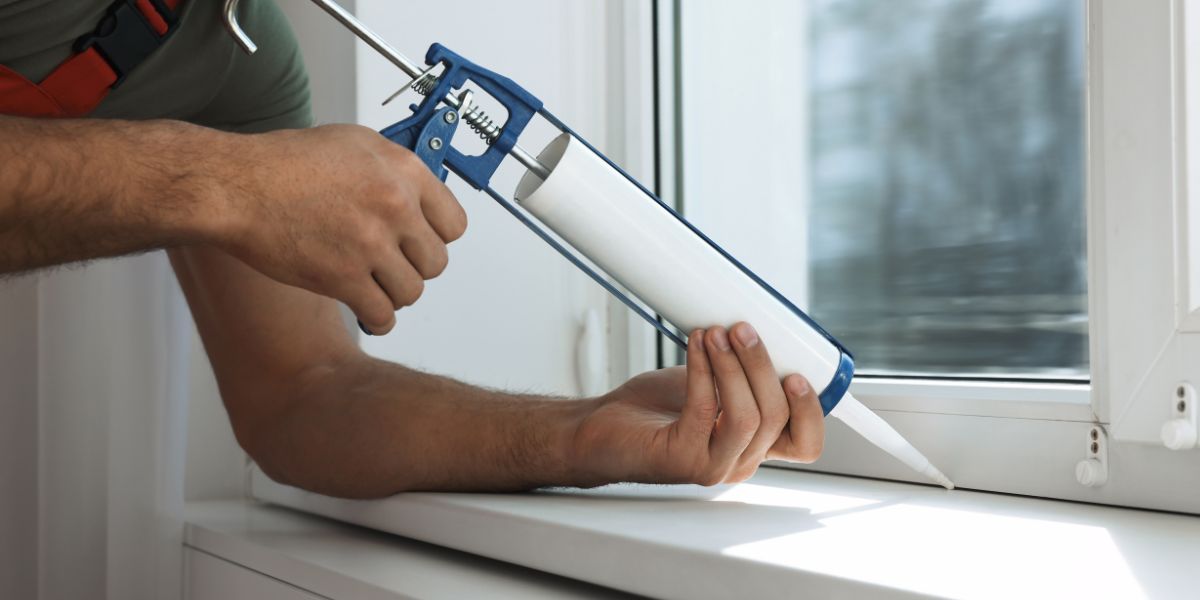
Air leaks can undermine your efforts to improve insulation and reduce energy consumption. Common areas for leaks include windows, doors, attics, and basements. Sealing these air leaks is crucial for maintaining a consistent indoor temperature.
Use caulking to seal small gaps around windows and doors. Weatherstripping is effective for sealing movable components like windows and doors. Spray foam insulation can be used to fill larger gaps and cracks, providing an airtight seal. By addressing these leaks, you can prevent energy loss and improve the efficiency of your heating and cooling systems.
Install energy efficient heating and cooling systems
Your heating and cooling systems account for a significant portion of your home’s energy use. Upgrading to energy-efficient HVAC systems can greatly reduce energy consumption and improve comfort. Look for systems with a high Seasonal Energy Efficiency Ratio (SEER) rating and proper sizing for your home.
Regular maintenance of your HVAC systems ensures they operate efficiently. Replace filters regularly, clean ducts, and schedule professional inspections to keep your systems in top condition.
Installing programmable thermostats allows you to set specific temperatures for different times of the day, reducing energy use when you’re not at home or during sleeping hours. Smart thermostats offer even more advanced features, such as learning your schedule and adjusting temperatures automatically.
By following these steps, you can make significant strides in improving your home’s energy efficiency. Not only will you enjoy lower energy bills, but you’ll also contribute to a more sustainable future. Stay tuned for the second half of this blog, where we will explore additional strategies to enhance your home’s energy performance.
Use energy efficient appliances
Upgrading to energy-efficient appliances is a simple yet impactful way to reduce your home’s energy consumption. Look for appliances with the Energy Star label, which indicates that they meet strict energy efficiency guidelines set by the Environmental Protection Agency.
Energy-efficient appliances use less electricity and water, leading to significant savings on utility bills. They also often come with advanced features that improve functionality and convenience.
Even with energy-efficient models, it’s important to use appliances wisely. For example, run dishwashers and washing machines with full loads, use cold water settings when possible, and unplug electronics when they’re not in use to prevent phantom energy loss.
Incorporate renewable energy sources
Incorporating renewable energy sources can further enhance your home’s energy efficiency and reduce reliance on non-renewable resources.
Installing solar panels on your roof can generate electricity from sunlight, significantly reducing your energy bills and carbon footprint. Many governments offer incentives and rebates to offset the initial installation costs, making solar energy more accessible.
In some locations, small wind turbines or other renewable options like geothermal heating and cooling systems can be viable alternatives. Research the best options for your area and consider consulting with a renewable energy specialist to determine the most effective solution for your home.
Optimize lighting
Lighting accounts for a significant portion of home energy use. By optimizing your lighting, you can make a noticeable difference in your energy consumption.
LED and CFL bulbs use up to 75% less energy than traditional incandescent bulbs and last much longer. They are available in a variety of styles and brightness levels to suit any room in your home.
Maximize the use of natural light during the day by opening curtains and blinds. This reduces the need for artificial lighting and can improve your mood and productivity.
Dimmer switches allow you to adjust the brightness of your lights according to your needs, saving energy when full brightness is unnecessary. Motion sensors can automatically turn lights on and off in frequently used areas like hallways and bathrooms, ensuring lights are only on when needed.
Implement smart home technology
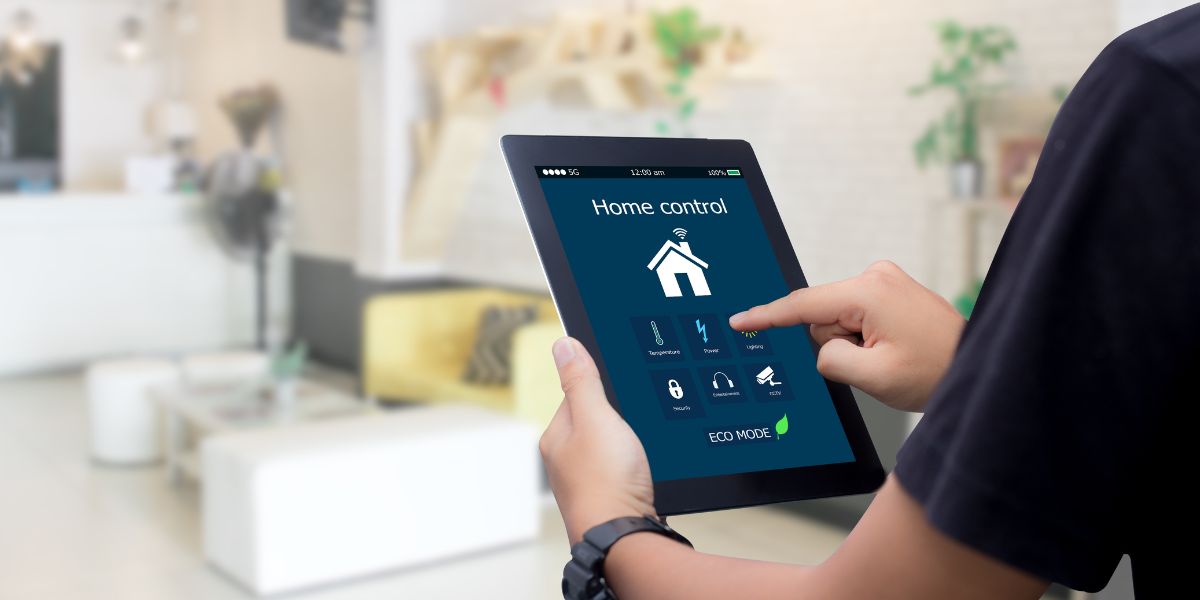
Smart home technology can optimize energy use and provide greater control over your home’s systems.
Smart thermostats learn your schedule and preferences, automatically adjusting temperatures to save energy while maintaining comfort. They can be controlled remotely via smartphone apps, allowing you to make adjustments on the go.
Smart lighting systems enable you to control lights remotely, set schedules, and even adjust colors and brightness levels. This can enhance both energy efficiency and convenience.
Comprehensive home energy management systems monitor and optimize energy use across all your devices and appliances. They provide insights into your energy consumption patterns and suggest ways to save energy.
Water heating efficiency
Water heating is another major energy expense in homes. By optimizing your water heating system, you can reduce energy use and lower your utility bills.
Tankless water heaters, also known as on-demand water heaters, heat water only when needed, avoiding the energy loss associated with maintaining a tank of hot water. They are more energy-efficient and can provide an endless supply of hot water.
Insulating your water heater and the first few feet of hot water pipes can reduce heat loss and improve efficiency. This is especially important for older water heaters and those located in unheated spaces.
Reducing the temperature setting on your water heater to 120°F (49°C) can save energy without sacrificing comfort. Many water heaters are set higher by default, which is often unnecessary.
Conclusion
It doesn’t matter if you just moved to a new home, or you have been living there for years. Making your home more energy-efficient is a worthwhile investment that benefits both your wallet and the environment. By applying the principles outlined in this article, you can significantly reduce your energy consumption. Start with small changes and gradually implement more substantial upgrades to create a comfortable, sustainable, and cost-effective living space.


















 So how do I become a mortgage broker? Well, the industry is heavily regulated and each state is going to have its own requirements for this. First thing, in every state, you have to get your mortgage broker license and bonded. The exam is given by the National Mortgage Licensure System (NMLS), and is called the